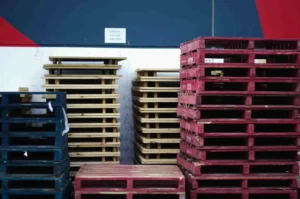

In today’s globalized economy, international shipping plays a crucial role in connecting businesses and consumers worldwide. However, with the movement of goods across borders comes the risk of spreading pests and diseases that can harm local ecosystems. To address this concern, the International Plant Protection Convention (IPPC) introduced the International Standards for Phytosanitary Measures No. 15 (ISPM 15) regulation. This comprehensive guide will explore everything you need to know about ISPM 15 compliant pallets and their importance in international shipping.
What is ISPM 15?
ISPM 15 is an international regulation designed to prevent the spread of pests and diseases through wood packaging materials used in international trade. Developed by the IPPC in 1993, this standard aims to protect global plant health and promote safe trade practices.
The regulation requires that all wood packaging materials, including pallets, crates, and dunnage, undergo specific treatments to eliminate potential pests and contaminants. This treatment process ensures that wood packaging materials are safe for international transport and do not pose a risk to the destination country’s environment.
Why is ISPM 15 Compliance Important?
Compliance with ISPM 15 regulations is crucial for several reasons:
- Environmental Protection: By preventing the spread of pests and diseases, ISPM 15 helps protect ecosystems and forests in countries receiving international shipments2.
- Trade Facilitation: ISPM 15 compliant packaging materials streamline the customs clearance process, reducing delays and potential issues at international borders.
- Cost Savings: Using compliant pallets can help avoid costly fines, quarantine periods, or even the destruction of goods at customs checkpoints.
- Legal Requirement: Many countries have adopted ISPM 15 as a mandatory requirement for wood packaging materials entering their borders.
ISPM 15 Treatment Methods
To achieve ISPM 15 compliance, wood packaging materials must undergo one of the following approved treatment methods:
Heat Treatment (HT)
Heat treatment is the most common method used to comply with ISPM 15 regulations. The process involves:
- Debarking: Removing the bark from the wood, as most insect eggs are found within it.
- Heating: The wood is placed in large kilns and heated to a core temperature of at least 56°C (132.8°F) for a minimum of 30 minutes.
- Cooling: After treatment, the wood is allowed to cool naturally.
Heat treatment is effective in eliminating pests and their eggs without using chemicals, making it an environmentally friendly option.
Methyl Bromide Fumigation (MB)
While less common due to environmental concerns, methyl bromide fumigation is still an approved treatment method in some countries. This process involves:
- Sealing: The wood packaging materials are sealed in an airtight chamber.
- Fumigation: Methyl bromide gas is introduced into the chamber at a specific concentration for a set period.
- Ventilation: After treatment, the chamber is ventilated to remove any residual gas.
It’s important to note that many countries have phased out or restricted the use of methyl bromide due to its ozone-depleting properties.
ISPM 15 Marking Requirements
After treatment, ISPM 15 compliant wood packaging materials must be marked with a specific stamp to indicate compliance. This mark includes:
- The IPPC logo
- The two-letter ISO country code
- A unique number assigned to the treatment provider
- The treatment method code (HT for heat treatment or MB for methyl bromide)
For example, a typical ISPM 15 mark might look like this:
IPPCUS 12345HT
IPPCUS 12345HT
This mark must be clearly visible, permanent, and placed on at least two opposite sides of the wood packaging material.
Types of Wood Packaging Materials Covered by ISPM 15
ISPM 15 regulations apply to various wood packaging materials used in international trade, including:
- Pallets
- Crates
- Boxes
- Dunnage
- Cable drums
- Spools and reels
It’s important to note that wood packaging materials made entirely from wood-based products such as plywood, oriented strand board (OSB), or fiberboard are exempt from ISPM 15 requirements.
ISPM 15 Exemptions
While ISPM 15 covers most wood packaging materials, there are some exemptions:
- Wood packaging made entirely from thin wood (6mm or less in thickness)
- Wood packaging made wholly of processed wood material (e.g., plywood, particle board, oriented strand board)
- Sawdust, wood wool, and wood shavings
- Wood components permanently attached to freight vehicles and containers
Choosing the Right ISPM 15 Compliant Pallets
When selecting pallets for international shipping, consider the following factors:
Material
While wood pallets are the most common choice due to their strength and durability, plastic and metal pallets may be preferred in certain industries. However, keep in mind that non-wood pallets are not subject to ISPM 15 regulations3.
Size
Standard pallet sizes vary by region. The most common international sizes are:
- Euro pallet (1200mm x 800mm)
- North American standard pallet (48″ x 40″)
Ensure that the pallet size you choose is appropriate for your shipment and compatible with the handling equipment at both origin and destination.
Treatment
Verify that the pallets have undergone the appropriate ISPM 15 treatment (heat treatment or methyl bromide fumigation) and bear the correct ISPM 15 mark.
Quality
Choose high-quality pallets that can withstand the rigors of international shipping. Look for pallets with no visible damage, protruding nails, or loose boards.
Best Practices for Using ISPM 15 Compliant Pallets
To ensure smooth international shipping using ISPM 15 compliant pallets, follow these best practices:
- Verify Compliance: Always double-check that your pallets bear the correct ISPM 15 mark before using them for international shipments.
- Maintain Documentation: Keep records of pallet treatments and purchases to demonstrate compliance if questioned by customs officials.
- Inspect Regularly: Regularly inspect pallets for damage or signs of infestation. Replace any damaged or infested pallets immediately.
- Use Reputable Suppliers: Source your ISPM 15 compliant pallets from reputable suppliers who can provide documentation of their compliance.
- Stay Informed: Keep up-to-date with any changes to ISPM 15 regulations or country-specific requirements.
- Consider Reusable Pallets: If you frequently ship to the same international destinations, consider investing in reusable ISPM 15 compliant pallets to reduce costs and environmental impact.
- Plan Ahead: Factor in the time required for ISPM 15 treatment when planning your shipments to avoid delays.
Country-Specific ISPM 15 Requirements
While ISPM 15 is an international standard, some countries may have additional requirements or variations in implementation. For example:
- European Union: As of January 1, 2025, all wood packaging materials moving between the EU and the UK must comply with ISPM 15 regulations due to Brexit.
- China: Has strict enforcement of ISPM 15 regulations and may require additional documentation.
- Australia and New Zealand: Have particularly stringent biosecurity measures and may require additional treatments or inspections.
Always research the specific requirements of your destination country before shipping to ensure compliance and avoid potential issues at customs.
The Future of ISPM 15 and Sustainable Shipping
As global trade continues to grow, the importance of ISPM 15 compliance is likely to increase. Future developments in this area may include:
- Enhanced Traceability: Implementation of digital tracking systems to improve the traceability of ISPM 15 compliant pallets throughout the supply chain.
- Alternative Treatment Methods: Research into new, more environmentally friendly treatment methods that meet ISPM 15 standards.
- Increased Focus on Sustainability: Greater emphasis on using sustainable materials and practices in the production of ISPM 15 compliant pallets.
- Harmonization of Standards: Efforts to further harmonize ISPM 15 implementation across countries to facilitate smoother international trade.
Conclusion
ISPM 15 compliant pallets play a crucial role in facilitating safe and efficient international trade. By understanding the requirements and best practices associated with these pallets, businesses can ensure smooth customs clearance, protect global ecosystems, and maintain the integrity of their supply chains.
As international shipping continues to evolve, staying informed about ISPM 15 regulations and adapting to new developments will be essential for success in the global marketplace. By prioritizing compliance and working with reputable suppliers, businesses can navigate the complexities of international shipping with confidence, knowing that their wood packaging materials meet the highest standards of safety and quality.