
Buying pallets for a Toronto facility involves more than choosing a footprint. The platform must support the goods, work with your handling equipment and reach a receiving area that can accept the shipment. AR Pallets supplies wood pallets from British Columbia to GTA businesses, including Toronto.
Our Surrey-based team can discuss custom, recycled or remanufactured, and heat-treated options against your requirements. Send your pallet dimensions, quantity, load information and Toronto delivery address. Include access restrictions so pallet supply and the freight arrangement can be reviewed together.
If your receiving entrance is shared, time-restricted or separate from your storage space, describe that arrangement before ordering. Note the unloading equipment, the route from the truck to the stock area and who will receive the delivery. A suitable pallet specification still needs a workable handoff.
Where several tenants use one dock, identify the correct unit and receiving contact. Send any appointment rules with the enquiry. AR Pallets can review those details when confirming shipment arrangements from BC; delivery dates and access requirements are agreed for the individual order.
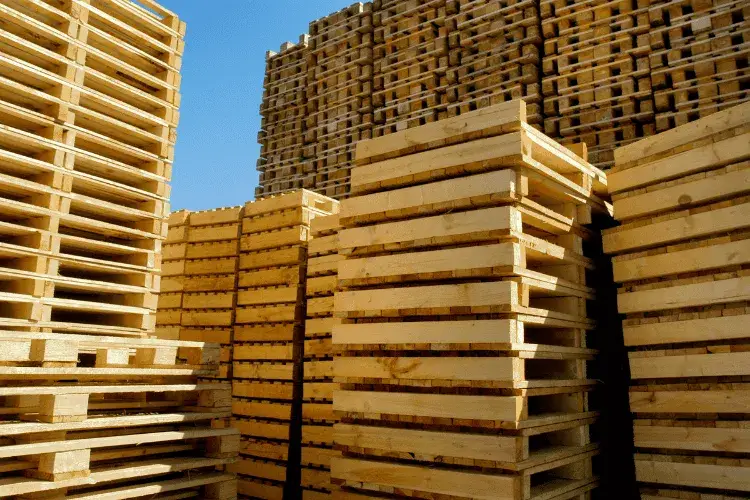
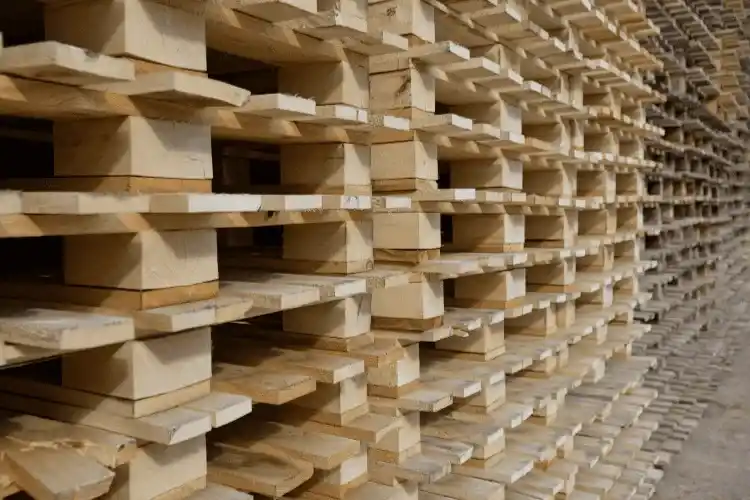
For Toronto teams handling different carton sizes, begin with the packed load layout. Give the length, width and weight of the goods and explain where each carton rests on the deck. Repeated overhang or unsupported carton edges are reasons to review the construction.
A custom pallet may help when the existing footprint does not suit the product or handling route. Explain the available floor space and equipment access as well. Changing dimensions should solve a specific problem, rather than simply creating a larger platform.
Recycled or remanufactured wood pallets offer a reuse option for buyers whose loads and receiving rules allow it. Tell us whether the pallets are for internal transfers, outbound goods or repeated handling. Ask which construction and condition are available for that use.
If a customer requires a particular pallet specification, send it before substituting recycled stock. Sustainability-minded purchasing works best when the platform remains suitable for the job and the receiver accepts it.
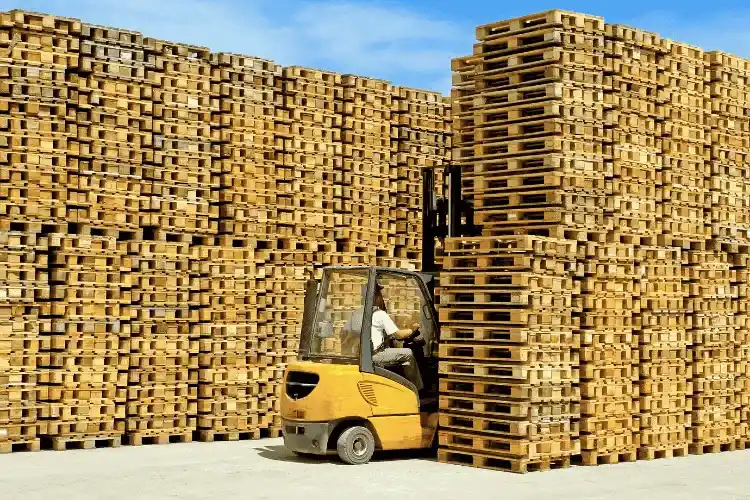
For a Toronto shipment, state when you need the pallets on site and when your receiving area is available. Those may be different dates. Ask for the proposed supply schedule, freight charges and unloading arrangements before committing your own dispatch plans.
If the pallets will later carry goods outside Canada, identify that next destination when requesting heat-treated options. Treatment and marking details should be confirmed for the actual shipment. Your quote can then address the pallet specification and the journey together.

Identify the correct dock, unit and unloading equipment before freight is arranged.

Share carton contact points and overhang limits when discussing a custom footprint.

Compare recycled or remanufactured stock against the receiver’s written requirements.

Review the BC-to-Toronto shipment alongside your facility’s receiving window.

Keep dimensions, quantity and contact details together for the order review.
AR Pallets is based in Surrey, British Columbia. Toronto orders are supplied through its BC-to-GTA shipping service. Confirm freight, timing and the receiving arrangement with the team before ordering.
Provide the delivery address, unit, receiving hours and appointment requirements. Describe vehicle access and the equipment available to unload. Include a contact who can confirm the handoff on arrival.
Discuss a custom build with measurements of the packed load, its weight and the carton layout. Explain any overhang limits and how the pallet will be lifted, moved and stored.
That depends on the load and the customer’s acceptance rules. Send their specification and ask about available recycled or remanufactured options. A lower purchase price alone does not establish suitability.
Share both. The team needs to understand when pallets must be received and when your goods leave. Confirm the proposed schedule before relying on it for an outbound shipment.
Heat-treated pallets are one offered option. Tell us about any later export leg and the receiver’s treatment requirements so the correct option can be discussed; treatment is not assumed for every order.
List each address separately with its quantity, access details and required date. Ask the team to review the freight and receiving arrangements for each location rather than treating them as one drop.