
When a product does not sit securely on a standard pallet, the next step is to describe the whole journey: loading, lifting, storage and unloading.
Send AR Pallets your dimensions, load details, equipment requirements and receiving instructions. Our Surrey-based team can discuss a custom build for your Burnaby operation and confirm the specification, quantity and timing with you.
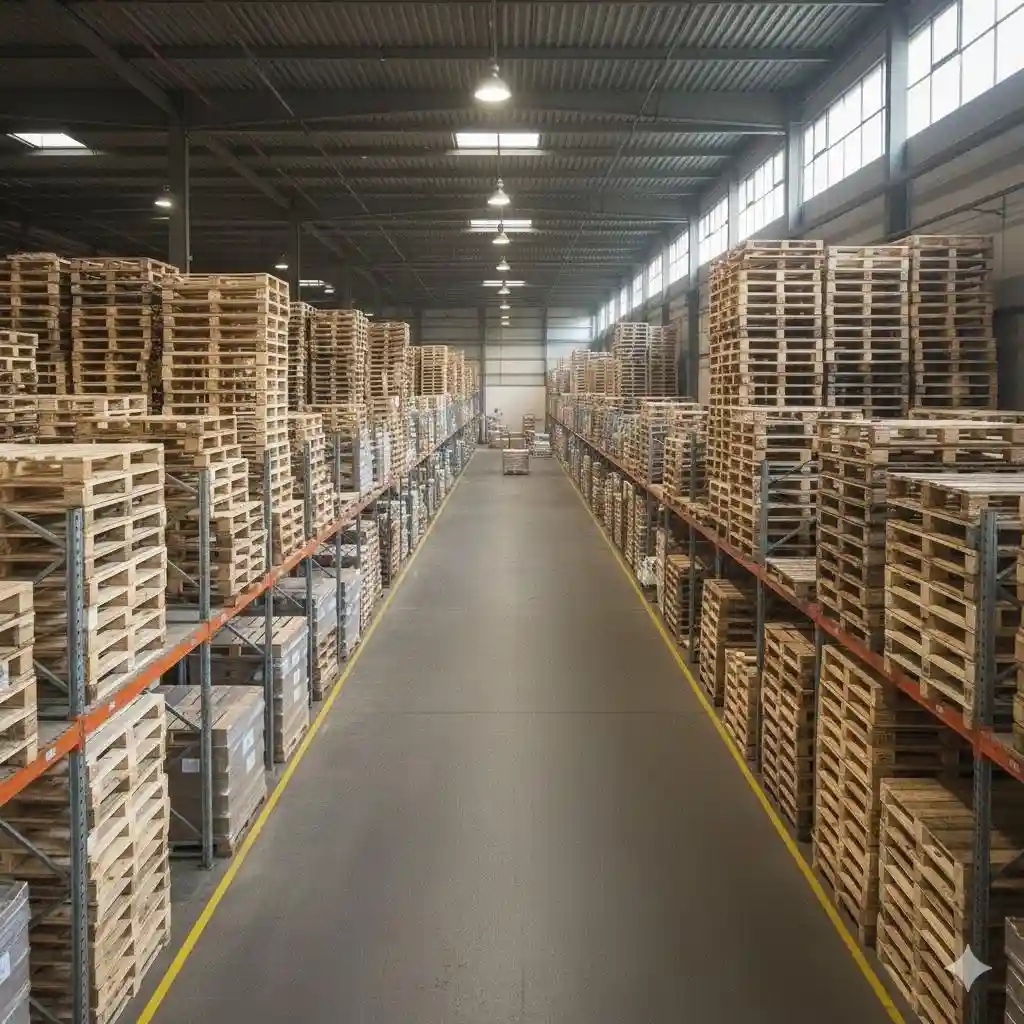
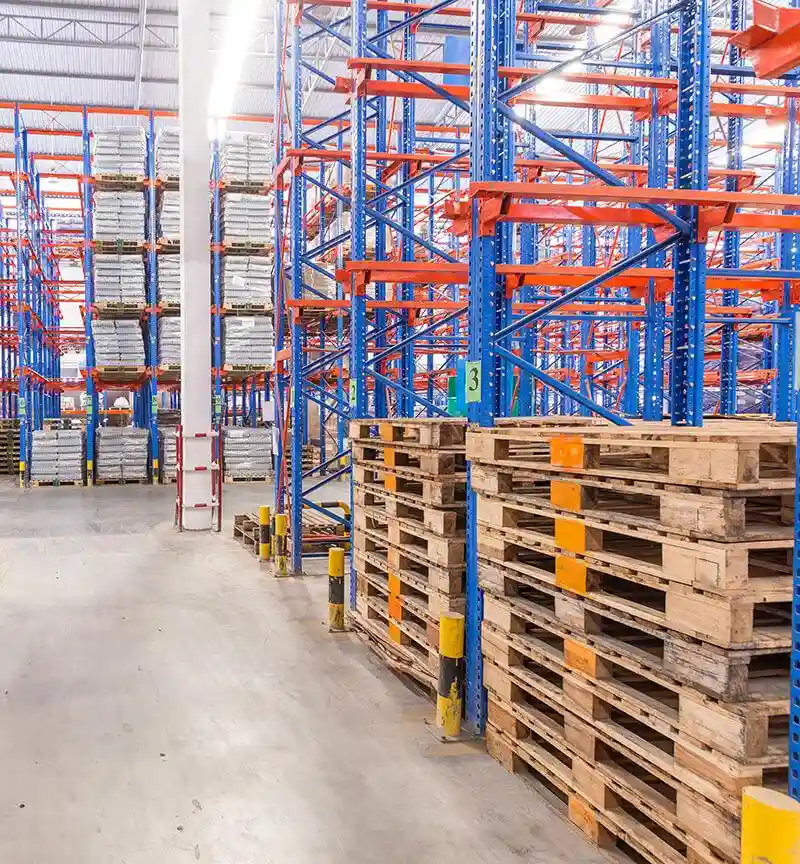
A familiar pallet size can become a poor fit when packaging changes or a new customer has different receiving rules. Recurring overhang, cartons shifting between deck boards, or difficult equipment access are reasons to review the specification before the next shipment.
For Burnaby purchasing and warehouse teams, a custom order should start with the actual product and its route. A pallet that fits at your loading dock still needs to work at the next warehouse. AR Pallets can discuss the construction around those requirements and confirm what is available for your order.
A standard platform may remain the practical choice when the product fits, equipment can access it and the receiving customer accepts it. A custom build is worth discussing when one of those conditions changes.
Examples include a narrow industrial component, an unusual carton pattern, or a shipment constrained by a specific handling system. These are design questions, not a reason to assume a larger pallet will solve every problem.
Share a drawing or measurements where possible. A photograph can help explain the arrangement, but it does not establish load capacity. Construction and suitability need to be confirmed for the intended use.
DISCUSS YOUR PALLET SPECIFICATIONAn earlier specification is a starting point for a repeat order. Confirm whether carton counts, packaging, product weight or the receiving location have changed. New equipment and revised rack layouts can also alter the requirements.
Keep the approved dimensions and handling notes with your purchasing record. If a change is needed, identify it before production rather than relying on the description “same as last time.” AR Pallets can then discuss the current build, quantity and schedule against one shared set of details.
Provide the equipment type and entry requirements at both facilities. Entry openings that work for a forklift may not provide the same access for a pallet jack. The proposed configuration needs to account for the entire route.
Send measurements and weight details as well as any useful photographs. Note how the product contacts the deck and where the pallet is supported in storage. A photo alone cannot establish the specification.
It can be a reference, but confirm its dimensions, construction and intended use. Also explain any problems with it. Copying an existing pallet without checking the current load may preserve the same mismatch.
Tell us the full destination and any later export leg. Treatment requirements depend on the route and the receiving rules; a local transfer alone does not describe the whole shipment. Discuss heat-treated options if they are required.
Start with dimensions, load distribution, handling and support conditions, quantity and delivery location. The team can identify missing details and confirm pricing and timing for the proposed build.
Call (604) 396-7884 or send your specification to AR Pallets. For broader supply needs, visit the Burnaby pallet company overview or browse our service areas.