
Empty pallets often reveal a gap between purchasing and warehouse operations. They need a known owner, an appropriate storage area and a decision about their next use.
For Burnaby businesses reviewing wood pallet options, AR Pallets can discuss the material and configuration alongside your reuse plans. Share the route, handling requirements and what happens to pallets after unloading so the next purchase reflects the way your operation works.
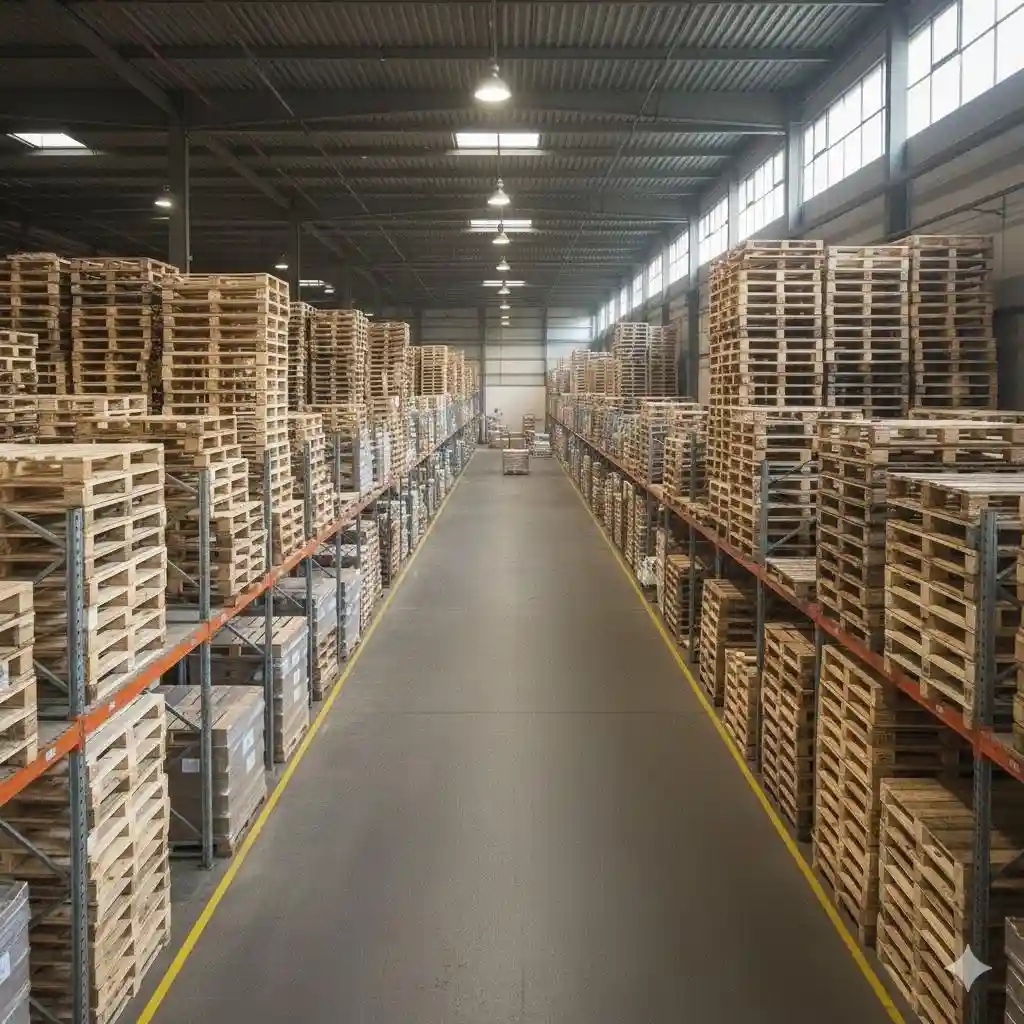
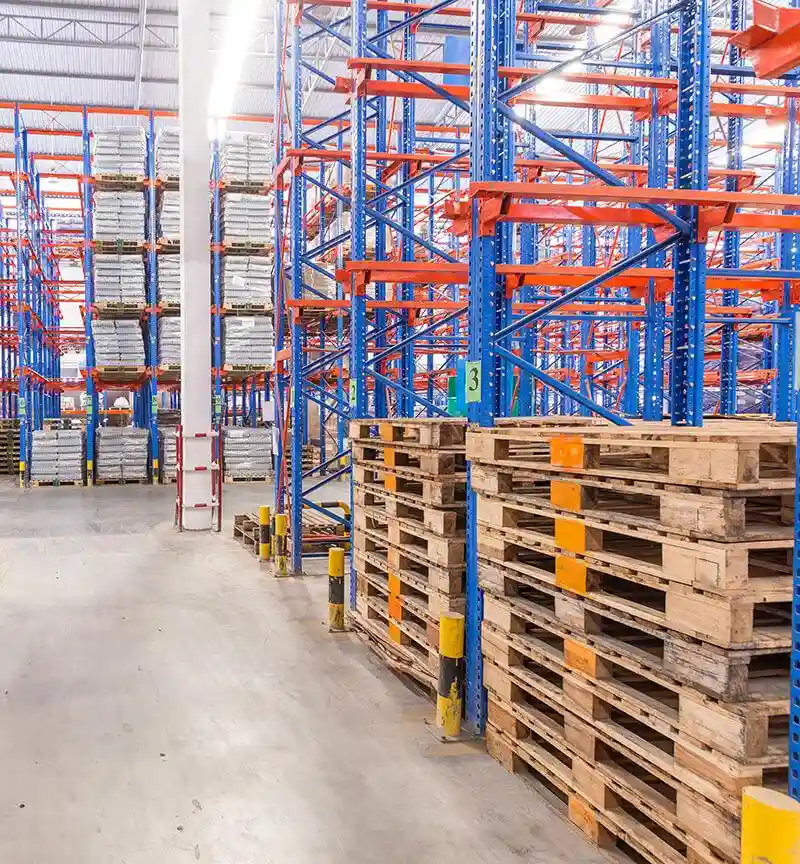
A pallet can only make another trip if someone knows where it is, who owns it and whether it remains suitable for the next load. For a Burnaby facility, those practical questions belong in the purchasing brief alongside size and quantity.
AR Pallets supplies wood pallet options that can be discussed against your intended use. Tell us whether units stay inside your operation, move between known receiving locations, or leave with the customer. That distinction helps frame a realistic conversation about materials and repeat use without assuming that every pallet will return.
These are steps for planning your own operation. Any collection, repair or other supplier service should be discussed and confirmed separately with AR Pallets.
“Eco-friendly” is a starting point for questions, not a complete specification. Ask what material is being offered, whether recovered wood is included and what condition is appropriate for your products.
Compare options against the expected number of movements, equipment access and the receiving customer's rules. Avoid buying a pallet solely for an environmental description if it does not meet the application.
For a purchase focused on used pallet condition and consistency, our Burnaby recycled pallet page covers the order details to discuss.
DISCUSS REUSE REQUIREMENTSStart with counts your team can verify: pallets received, units put back into service, damaged units set aside and pallets leaving your control. Record the date, location and reason a unit was removed from use.
Those records can show where losses or handling damage deserve attention. They do not automatically establish a carbon reduction or a recycling rate. Keep any environmental statement tied to evidence for your own operation rather than a general claim about wood.
Use the findings when preparing the next order. If one size keeps being rejected by a receiving location, or a return route is not working, change the purchasing brief before adding more of the same pallets.
Describe the movement as one-way when discussing the order. A reuse plan needs a workable return route and clear responsibility; it should not depend on a return that has not been agreed.
No. Condition, construction, loading and handling requirements still matter. Discuss the intended application and inspect pallets before each use rather than treating material content as proof of suitability.
Keep them out of the ready-to-use stack and follow your facility's inspection and handling procedure. Identify units needing assessment so they are not accidentally loaded while a repair or disposal decision is pending.
Confirm ownership and the owner's terms first. Distinctive branding or colour can indicate a pooled pallet, but identification should be checked rather than guessed.
Bring the product and pallet dimensions, handling route, typical quantity and a description of what happens to empty pallets. Mention storage restrictions and any customer condition requirements. Availability and services can then be confirmed directly.
Speak with AR Pallets at (604) 396-7884 or send your reuse requirements. Our Surrey-based team serves Burnaby; the Burnaby overview explains the wider pallet range.