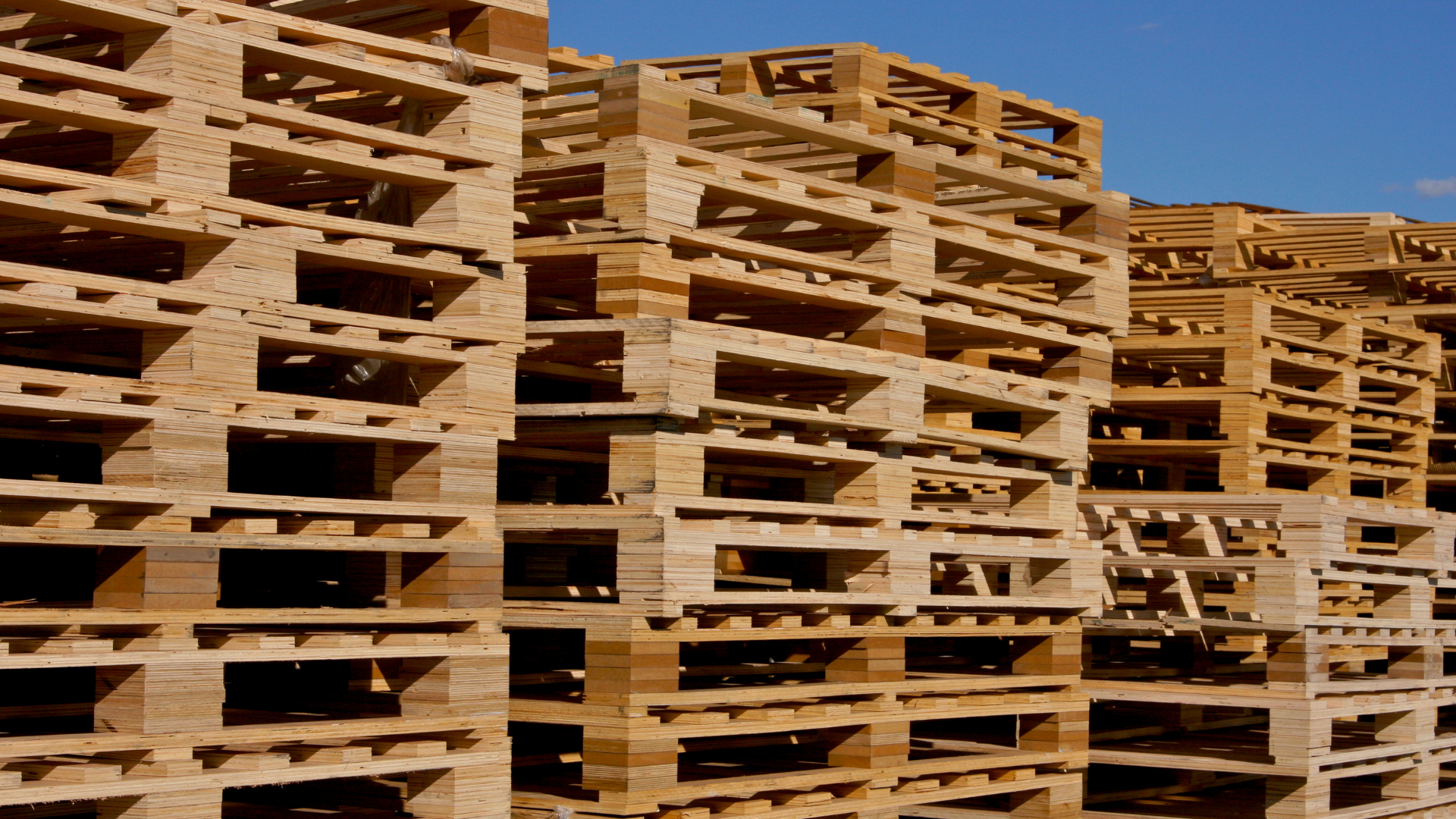
Wooden pallets are one of the most cost-efficient and durable tools in the supply chain. Businesses frequently ask whether they can reuse pallets for shipping multiple times, especially when trying to reduce operational expenses and improve sustainability. The short answer is yes. Many pallets can be reused repeatedly, provided they remain structurally sound, properly inspected, and suitable for the type of load being transported.
With businesses across cities such as Surrey, Coquitlam, and Burnaby looking for ways to improve shipping efficiency in the Lower Mainland, Canada, pallet reuse has become a widely adopted practice. This detailed guide explains when pallets can be reused, how long they typically last, how to inspect them, and what factors influence their lifespan and safety.
Why Pallet Reuse Is Common in Modern Shipping
Pallet reuse is now standard in warehouses, distribution centers, retail operations, agriculture, and manufacturing. Reusable pallets simplify logistics and save money.
Cost Savings
Purchasing new pallets for every shipment is expensive. Reusing pallets significantly reduces operational costs without sacrificing performance.
Sustainability Benefits
Reusing pallets supports environmentally conscious business practices. It reduces wood waste, minimizes landfill contributions, and promotes efficient resource use.
Strength and Durability
Wooden pallets, especially heat-treated ones, are designed to withstand repeated handling, stacking, forklift movement, and long-distance shipping. Their inherent strength allows them to be repurposed many times.
Factors That Determine Whether a Pallet Can Be Reused
Not every pallet is suitable for repeated use. Certain conditions and performance standards must be met before a pallet returns to circulation.
Structural Integrity
The most important factor is overall structural condition. A pallet must be free from:
- Broken deck boards
- Split or cracked stringers
- Significant warping
- Rot or moisture damage
- Loose nails
A pallet that shows any of these issues should be repaired or removed from circulation.
Load Requirements
Different shipments require different strength levels. Heavy or fragile products need higher-quality pallets. Grade A pallets are often reused more frequently than Grade B pallets because they maintain better structural stability.
Previous Handling
The history of a pallet matters. A pallet used in a light warehouse environment can often be reused more times than one used in high-intensity industrial settings.
Treatment Type
Heat-treated pallets typically last longer and resist insects and moisture better than untreated pallets. Chemically treated pallets are less common today and require careful handling.
How Many Times Can a Wooden Pallet Be Reused?
There is no single number because pallet lifespan varies by use, environment, and quality. However, many businesses reuse pallets between 5 to 10 times on average. Some high-quality hardwood or heat-treated pallets last up to 20 cycles or more with proper care.
What Helps Extend Pallet Lifespan?
Several strategies improve longevity:
- Regular inspections before loading
- Immediate repair of minor damage
- Proper forklift handling
- Avoiding overloading
- Storing pallets in dry, well-ventilated areas
This ensures pallets remain safe and dependable for multiple shipping cycles.
Inspection Checklist Before Reusing a Pallet
Businesses should thoroughly inspect each pallet before reuse. A simple inspection process reduces product damage and protects workers.
Top Deck Board Inspection
Check for loose, split, or missing boards. Top boards must be smooth and strong enough to support the product safely.
Bottom Deck Board Inspection
Visible damage on bottom boards can destabilize the pallet during forklift lifting or stacking.
Stringer Condition
Stringers form the core of pallet strength. Look for:
- Cracks
- Repaired stringers
- Reinforced stringers
- Missing chunks of wood
Stringers determine whether the pallet can be reused safely or requires repair.
Nail and Fastener Check
Protruding nails can puncture goods, tear shrink wrap, and create safety hazards. Ensure nails are flush and securely embedded.
Treatment Stamp Confirmation
Verify that the pallet still displays clear heat-treatment markings when required for export shipping.
Reusing Pallets for International Shipments
International shipments require compliance with ISPM-15 regulations. This rule ensures that pallets are free from pests and treated appropriately.
Heat-Treated Pallets and Reuse
Heat-treated pallets labeled with “HT” can be reused internationally as long as they remain intact and legible. They are the preferred choice for export.
Chemically Treated Pallets
These are less common today and may have additional restrictions, making them less ideal for repeated use.
How Different Industries Reuse Pallets
Pallet reuse varies across businesses depending on shipment type, frequency, and weight.
Retail Warehouses
Retail goods often arrive on clean, uniform Grade A pallets that are reused multiple times until cosmetic or structural issues appear.
Food Distribution
Food-grade pallets must remain clean and undamaged. These pallets are reused, but the cycle is carefully monitored.
Manufacturing
Industrial environments reuse pallets heavily, especially Grade B pallets that may contain minor repairs but still handle heavy loads.
Agriculture
Agricultural operations reuse pallets frequently due to large shipment volumes. Treatment type matters for preventing mold and insects.
When Should a Pallet Be Retired?
A pallet should be removed from circulation when:
- Deck boards are severely cracked
- Stringers can no longer support weight
- The pallet leans or rocks when placed on a flat surface
- There is evidence of rot or moisture damage
- Repairs can no longer restore full strength
Retired pallets can still serve purposes like recycling, breakdown for parts, mulching, or repurposing for non-shipping projects.
Benefits of Reusing Pallets Multiple Times
Reusing pallets effectively improves supply chain operations.
Lower Total Cost of Ownership
You pay once and reuse many times, greatly reducing pallet expenses.
Reduced Product Loss
Reusing high-quality pallets prevents collapses, shifting, or damage caused by weakened pallets.
Improved Warehouse Efficiency
Consistent pallet sizing ensures smoother forklift handling and stacking.
Stronger Environmental Practices
Responsible pallet reuse reduces waste and supports sustainable business operations in the Lower Mainland, Canada.
So, can you reuse pallets for shipping multiple times? Absolutely. With proper inspection, responsible handling, and the right pallet grade, wooden pallets can be reused safely and efficiently across many shipping cycles. This not only saves businesses money but also supports sustainability, improves warehouse performance, and ensures reliable load handling.
Whether your shipments are moving across Burnaby, Surrey, or another city in the region, pallet reuse remains one of the most cost-effective strategies for modern supply chain operations. Reusing pallets helps companies maintain strong logistics workflows while minimizing waste and maximizing value.
Stock Your Warehouse with the Best Pallets
Trusted Pallet Experts at Your Service
Businesses looking for reliable, reusable pallets depend on suppliers who prioritize quality and durability. AR Pallets LTD, located at 12213 Industrial Rd, Surrey, BC V3V 3S1, Canada, offers strong, reusable pallet options suitable for continuous warehouse circulation. The company provides Grade A, Grade B, heat-treated, and custom pallets, ensuring your shipping operations run smoothly. You can call (604) 367-7884 or email info.arpallets@gmail.com to place an order, ask for recommendations, or learn how to maximize pallet lifespan in your facility.