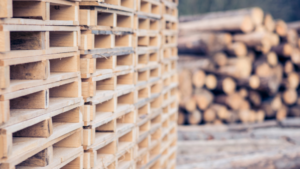
Understanding the cost to make one pallet is essential for businesses involved in shipping, warehousing, and logistics. Pallets play a pivotal role in transporting goods efficiently and safely, especially in industrial areas such as the Lower Mainland region of Canada, including cities like Surrey, Vancouver, and Burnaby. This detailed guide breaks down the factors that contribute to the cost of making one pallet and provides insights from local suppliers and manufacturers.
Key Components Influencing Pallet Cost
The cost of manufacturing one pallet varies based on several factors, including the raw materials, labor, treatment processes, and logistics. Each factor contributes uniquely to the overall price.
Lumber and Raw Materials
Lumber is the biggest expense when it comes to pallet production. It accounts for the majority of the total cost. The type of wood used—often softwoods like pine or spruce in the Lower Mainland area—determines the price fluctuations. Prices on lumber are influenced by market demands such as housing and construction trends.
Nails, screws, and other fastening materials make up another portion of the cost, along with consumables such as sandpaper or glue used in some pallets.
Labor and Manufacturing Overhead
Skilled labor is necessary for assembling pallets, and wages in the Lower Mainland usually reflect the competitive market for skilled tradespeople. Labor costs represent a significant portion of the pallet cost, depending on the level of automation in the manufacturing process. More automated factories have lower per-pallet labor costs than smaller, manual operations.
Overhead costs such as electricity, equipment maintenance, and facility costs also factor into the manufacturing price.
Pallet Size and Design
Standard pallets in Canada typically measure 40×48 inches or 48×48 inches. The design involves a specific number of boards and stringers:
- Example: A 40×48 pallet might have 5 top boards, 3 bottom boards, and 3 stringers.
- The complexity of the design, such as custom sizes or additional features (e.g., reinforced corners, four-way entry), will increase the production cost.
Treatment and Compliance
Pallets used for export or sensitive industries often require special treatments such as heat treatment or kiln drying to meet ISPM 15 regulations. These treatments add a premium to the cost but are necessary for compliance and durability.
Volume and Order Size
Bulk orders significantly affect the cost per pallet. For orders exceeding several hundred units, suppliers offer discounts—sometimes substantial—in the Lower Mainland for large orders.
Smaller orders often have a price premium due to setup costs and lower economies of scale.
Delivery and Location
Delivery charges vary by distance and volume. In the Lower Mainland, delivery to cities like Surrey, Richmond, Vancouver, or Burnaby typically includes logistics costs. Suppliers may reduce or waive delivery fees for large orders.
Typical Cost Breakdown Factors for One Pallet in the Lower Mainland
| Cost Component | Description |
| Lumber & Raw Materials | Softwood lumber is commonly used as, major material input |
| Nails and Fasteners | Includes nails and glue if applicable |
| Labor | Time and effort required for assembly |
| Treatment | Heat-treated or kiln-dried for exports |
| Overhead & Utilities | Factory operation and maintenance |
| Delivery | Depends on order size and distance |
The overall cost fluctuates based on market conditions and specific supplier policies. For example, certain suppliers in the Lower Mainland offer competitive pricing on standard-sized pallets, with additional charges for specific features or smaller orders.
Why Cost Variations Occur
Lumber Market Fluctuations
The price of raw wood can be volatile due to supply and demand, natural disasters, and industry trends, especially in Canada.
Custom vs Standard Pallets
Custom-sized pallets require unique cutting and design work, pushing the cost higher than standardized models used widely in shipments.
Treatment Method
Heat-treated pallets for export markets are more expensive but essential for international shipping certification.
Order Volume Impact
Larger orders allow manufacturers to spread fixed costs over more units, lowering the per-unit price, while small orders face higher costs due to labor and delivery overhead.
Local Insight: Pallet Manufacturing in the Lower Mainland
The cities of Surrey, Vancouver, Burnaby, Richmond, and Langley form a critical cluster for pallet manufacturing and supply in Canada’s Lower Mainland. Businesses in these areas benefit from proximity to manufacturers, reducing delivery times and costs.
This region’s manufacturers emphasize heat-treated pallets to comply with Canadian and global shipping standards. Due to a robust industrial and logistics sector here, companies focus on quality, consistency, and speed of delivery..
How to Choose the Right Pallet Cost for Your Business
When budgeting or deciding on purchasing pallets, consider the following:
- Estimate Needed Quantity: Larger orders reduce per-pallet costs through economies of scale.
- Select Pallet Type: Choose between standard sizes or custom pallets based on your product.
- Evaluate Treatment Needs: International shipments may require heat-treated pallets.
- Consider Durability vs Cost: Higher-quality wood and workmanship increase initial cost but improve lifespan.
- Local Supplier Benefits: Reducing delivery time and charges by sourcing pallets from local manufacturers in the Lower Mainland.
The cost to make one wooden pallet in the Lower Mainland, Canada, depends on materials, labor, treatment, and logistics, with further variations due to pallet size, order volume, and specific supplier policies. Leveraging local expertise from trusted suppliers like AR Pallets can bring added value through quality product delivery and compliance with industry standards.
This information supports decision-making for businesses aiming to streamline their shipping and warehousing needs efficiently and cost-effectively.
Trusted Pallet Experts at Your Service: Company Spotlight on AR Pallets
For those seeking quality pallets made and delivered quickly in the Lower Mainland, AR Pallets LTD stands out as a trusted choice. Located at 12213 Industrial Rd, Surrey, BC V3V 3S1, Canada, the company provides durable, heat-treated wooden pallets suitable for multiple industries.
AR Pallets pride themselves on fast delivery and premium pallet solutions tailored to meet your logistics needs. Businesses in nearby cities such as Vancouver, Burnaby, and Langley can rely on their expertise for pallets that enhance shipping efficiency.
For inquiries, AR Pallets LTD can be reached at (604) 396-7884 or via email at
info.arpallets@gmail.com