
Wooden pallets are the foundation of global logistics. They support billions of tons of goods every day, ensuring that products reach their destination safely and efficiently. However, not all pallets are created equal, and a single weak or contaminated pallet can undermine an entire shipment. That’s where a pallet audit becomes essential. In this in-depth guide, we’ll examine how a thorough pallet audit ensures quality and safety, and why it should be an integral part of your business operations.
What is a Pallet Audit?
A pallet audit is a systematic process that evaluates the quality, safety, and compliance of pallets used in your supply chain. The goal is to identify damaged, substandard, or non-compliant pallets before they pose a risk to products, employees, or customers.
Pallet audits involve:
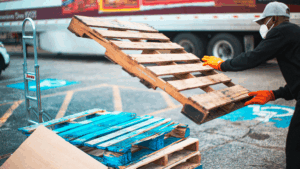
- Inspecting pallets for physical damage
- Checking for signs of contamination or infestation
- Verifying compliance with industry regulations (such as ISPM 15 for international shipping)
- Assessing documentation and traceability
Why is a Pallet Audit Important?
1. Product Safety
Damaged or contaminated pallets can break during transport, risking product loss or contamination.
2. Workplace Safety
Broken pallets can cause workplace accidents, leading to injuries and downtime.
3. Regulatory Compliance
Non-compliant pallets can result in customs delays, fines, or rejected shipments—especially for international trade.
4. Cost Savings
Early identification of faulty pallets reduces losses from product damage and improves operational efficiency.
5. Sustainability
Regular audits help identify reusable pallets and reduce unnecessary waste by promoting repair and recycling.
Key Elements of a Pallet Audit
A comprehensive pallet audit covers several areas to ensure quality and safety:
Visual Inspection
Visual checks are the first line of defense. Inspect for:
- Cracks or splits in boards
- Missing or protruding nails
- Broken stringers or deckboards
- Excessive warping or signs of rot
Structural Integrity Assessment
Test the pallet’s ability to bear loads safely:
- Check for loose joints or wobbly construction
- Confirm that weight-bearing boards are intact
- Ensure the pallet is not sagging under load
Sanitation and Contamination Checks
Pallets may harbor pests, mold, or hazardous residues:
- Look for visible mold growth or staining
- Check for insect infestations (especially for export)
- Smell for chemical odors or spills
Compliance with Regulations
International shipments require strict compliance:
- Verify ISPM 15 stamp (for heat-treated pallets)
- Ensure markings are clear and legible
- Check that no restricted chemicals were used in treatment
Traceability and Record Keeping
Keep thorough records for accountability and recall purposes:
- Track pallet sources, treatments, and maintenance records
- Tag or barcode pallets for inventory management
How to Conduct a Pallet Audit: Step-by-Step Guide
Step 1: Define Audit Criteria
Establish standards based on your industry, product type, and destination countries (e.g., food-grade pallets, export requirements).
Step 2: Assemble an Audit Team
Include team members from warehouse operations, quality control, and logistics.
Step 3: Gather Tools and Documentation
Prepare inspection forms, checklists, cameras for documentation, and personal protective equipment.
Step 4: Inspect Pallets Systematically
- Use a standardized checklist for each pallet
- Separate compliant pallets from those requiring repair or disposal
- Photograph any defects or non-compliance for records
Step 5: Assess Compliance Documentation
Verify heat treatment certificates, supplier quality records, and any other legal documentation.
Step 6: Record Findings and Take Action
Document all findings in a central log. Tag defective pallets for repair or destruction.
Step 7: Report and Review
Summarize results, share findings with management, and plan corrective actions.
Common Issues Detected During Pallet Audits
- Cracked Deckboards
Can cause loads to shift or fall during transit. - Loose Nails or Fasteners
May puncture products or injure handlers. - Mold Growth
Especially dangerous for food and pharmaceutical shipments. - Non-Compliant Markings
Missing or illegible stamps can lead to customs issues. - Infestation by Pests
A major concern for international shipments; can cause rejected loads. - Warped or Weak Pallets
Reduce stacking integrity and may collapse under load.
Best Practices for Ongoing Pallet Quality and Safety
Adopt these strategies to maintain high pallet standards:
1. Regular Scheduled Audits
Set monthly or quarterly audits as part of routine operations.
2. Staff Training
Teach warehouse teams how to spot unsafe pallets during daily operations.
3. Supplier Management
Work with reputable pallet suppliers who provide documentation and guarantee compliance.
4. Repair Programs
Establish on-site repair stations for minor damages; retire irreparable pallets promptly.
5. Inventory Rotation
Rotate pallets regularly to avoid degradation from prolonged storage.
6. Record Keeping
Maintain digital records for traceability in case of recalls or quality issues.
Frequently Asked Questions about Pallet Audits
Q: How often should I audit my pallets?
A: Audit frequency depends on usage volume—but at least quarterly is recommended for most operations.
Q: Can I use any wooden pallet for international shipping?
A: No. Only ISPM 15-compliant (heat-treated) pallets with proper markings are accepted internationally.
Q: What should I do with damaged pallets?
A: Minor damage can be repaired if structural integrity is restored; otherwise, retire and recycle the pallet responsibly.
Q: Are plastic pallets subject to the same audits?
A: Yes, though criteria differ (e.g., check for cracks instead of rot).
Q: What are the risks of ignoring pallet audits?
A: Increased product damage, workplace accidents, regulatory fines, shipment delays, and reputational harm.
Conclusion: Make Pallet Auditing a Priority
A pallet audit is more than just a box-ticking exercise—it’s an investment in your business’s safety, compliance, and reputation. By implementing regular audits, you minimize risks across your supply chain while maximizing efficiency and sustainability. Start today by developing your own audit checklist, training your team, and fostering a culture where quality and safety come first.
For more tips on supply chain excellence and pallet management best practices, subscribe to our blog or contact our team for personalized advice.