
Confirm the wood packaging requirements while the order is being planned, not after the freight is wrapped. The destination, packaging materials and receiving instructions all belong in the discussion.
AR Pallets serves Burnaby shipping teams from Surrey with heat-treated pallet options. Send the shipment details and required pallet specification so availability, treatment requirements and the requested timing can be reviewed together.
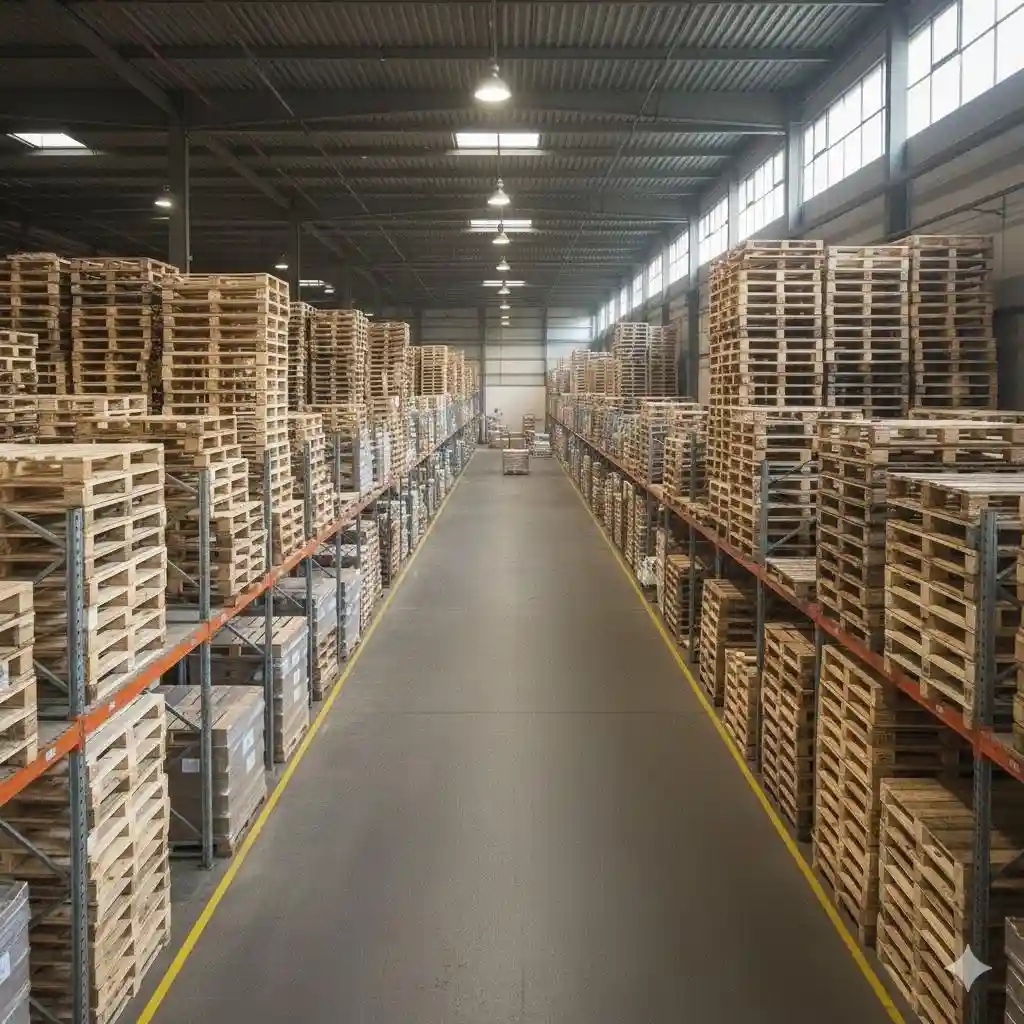
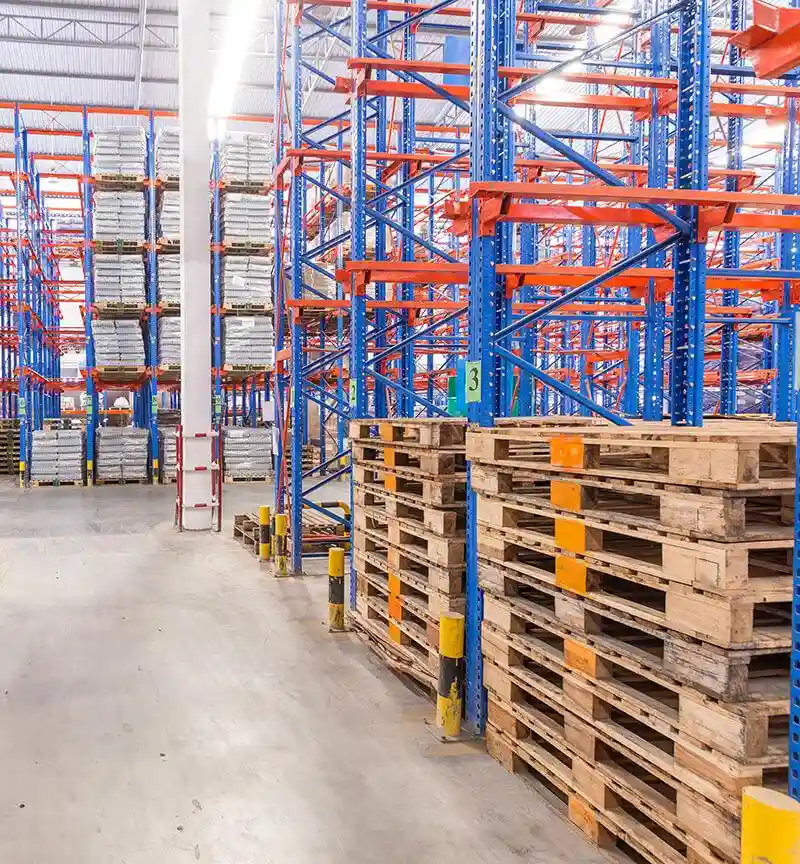
A departure date is only one part of an export pallet order. Burnaby shipping teams also need to identify the final destination, the wood packaging involved and the receiving requirements before goods are loaded.
AR Pallets can discuss heat-treated pallet supply for that shipment from its Surrey base. Send the destination, pallet dimensions, product weight, quantity and requested receiving date together. Confirm availability and timing against the actual order rather than assuming a standard pallet already meets every requirement.
The CFIA explains that wood packaging for participating trading partners must meet applicable treatment and marking requirements. Read the CFIA's exporter notice when planning the shipment.
Confirm that required identification is present and legible while the pallet is accessible. If a mark is missing, unclear or inconsistent with the order, set the unit aside and ask the supplier before loading it.
A heat-treatment reference on an invoice is not a reason to ignore the packaging itself. The CFIA's HT program guidance explains why buying ordinary heat-treated lumber alone is not sufficient to establish ISPM 15 compliance.
Do not copy, add or alter an official treatment mark yourself. Raise any repair or replacement requirement with the appropriate supplier before shipment.
PLAN YOUR EXPORT PALLET ORDERHeat treatment addresses a plant-health requirement. It does not establish a pallet's load capacity, make wood waterproof or guarantee that stored packaging cannot later become contaminated.
Tell the team if your goods have moisture or cleanliness requirements in addition to treatment. Keep the pallets protected under your facility's storage procedure and inspect them again before use. If damage, soil or suspected pest activity is found, pause loading and seek advice.
Changes matter after the order is placed, too. A new destination, a repaired pallet or added wood packaging can change what needs to be checked. Keep those details with the shipment record and confirm them before dispatch.
Requirements depend on origin, destination and the packaging involved. A Canada–continental U.S. exemption may apply in specific circumstances, while Hawaii and U.S. territories are outside that exemption. Check the CFIA's U.S. guidance and confirm your shipment's eligibility.
Do not assume that a drying description establishes compliance. Confirm the applicable treatment and marking requirements for the finished wood packaging, as well as any separate moisture specification your product needs.
Repairs can affect its compliance status. Ask the supplier about the applicable requirements before replacing components or using a repaired unit for an export order.
Have the complete packaging arrangement checked. Solid wood bracing or dunnage may fall within the destination's requirements even when the main pallet has an appropriate mark.
No pallet supplier can guarantee the clearance of the entire shipment. Wood packaging is one part of the requirements; the exporter must also address the goods, documents and destination rules.
Call (604) 396-7884 or contact AR Pallets with your export order requirements. If the load also needs a specific footprint, see custom pallets in Burnaby. View the complete range on our Burnaby pallet company page.