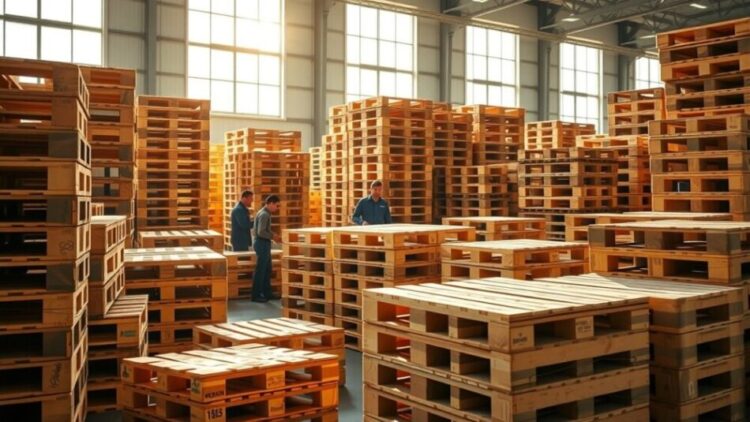
In the Lower Mainland’s busy shipping and logistics industry, pallets are more than just wooden platforms, they’re essential tools that keep goods moving smoothly from one point to another. Whether you’re a small business delivering products locally or a large operation exporting internationally, working with a knowledgeable pallet supplier and understanding pallet best practices can save time, reduce costs, and prevent unnecessary damage or delays.
This guide explores everything a pallet user in the Lower Mainland should know, from selecting the right pallet type to maintaining safety, improving efficiency, and adapting to market changes.
Knowing Your Pallet Types and Applications
Different industries in the Lower Mainland, from agriculture in the Fraser Valley to manufacturing in Surrey and Delta, require different pallet solutions.
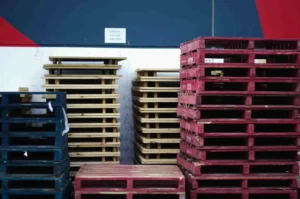
- Wooden Pallets: Widely used for their strength and affordability, these are ideal for most industries but require careful storage to avoid moisture damage in our often rainy coastal climate.
- Plastic Pallets: Hygienic, weather-resistant, and reusable, these are popular for food and pharmaceutical industries but come at a higher initial cost.
- Metal Pallets: Durable and suitable for heavy loads, often used in industrial manufacturing, but they’re heavier and more expensive.
- Presswood and Paper Pallets: Lightweight and often used for export shipments where compliance with international regulations is critical.
The right choice depends on your product weight, storage method, handling process, and transportation route.
Safety, Storage, and Handling Best Practices
In the fast-paced distribution hubs of the Lower Mainland, proper pallet handling is vital to avoid accidents and costly product damage.
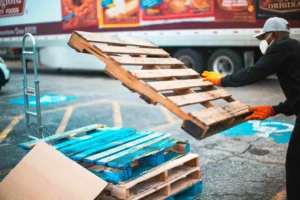
- Inspection Before Use: Check for loose nails, cracked boards, or warped surfaces before loading.
- Safe Storage: Keep pallets flat, dry, and off the ground. Given our wet winters, moisture control is especially important to prevent mold and rot.
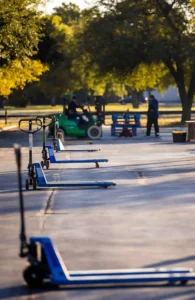
- Handling Techniques: Use forklifts or pallet jacks for moving pallets, and never overload beyond the pallet’s rated capacity.
- Stacking Guidelines: Avoid stacking pallets too high without proper stabilization to reduce the risk of tipping over during warehouse operations.
Choosing the Right Pallet Supplier in the Lower Mainland
A reliable pallet supplier can mean the difference between meeting your shipping deadlines and facing costly delays.
- Local Reliability: Working with a supplier based in the Lower Mainland ensures faster delivery and better responsiveness to urgent orders.
- Custom Solutions: Many local suppliers can build pallets to fit unique product sizes or provide reinforced designs for heavier loads.
- Sustainability Practices: A growing number of Lower Mainland suppliers offer recycled or refurbished pallets, reducing waste and supporting environmental goals.
- Value-Added Services: Some suppliers provide pallet recovery, repair programs, and rental options, helping businesses save on long-term costs.
Understanding Market Influences on Pallet Costs
Pallet prices in the Lower Mainland can shift quickly due to global and regional economic factors. These may include fluctuations in lumber prices, seasonal shipping demand, and transportation costs.
| Factor | Impact on Cost | Notes |
| Lumber Prices | High | Directly affects wooden pallet production |
| Seasonal Demand | Moderate to High | Holiday seasons and harvest times increase usage |
| Recycled Core Availability | Moderate | Shortages drive up recycled pallet prices |
| Transportation Costs | Moderate | Rising fuel prices impact delivery fees |
| Regulatory Changes | Low to Moderate | Compliance costs may rise for export pallets |
Being aware of these influences helps businesses in the Lower Mainland plan ahead, budget wisely, and avoid last-minute shortages.
Pallet Tracking and Recovery Strategies
With the volume of goods moving through the Lower Mainland’s ports, warehouses, and distribution centers, lost pallets are a common and costly problem.
Implementing a pallet tracking system, ranging from barcodes to GPS tracking, can significantly reduce loss. Setting up return agreements with partners and drivers, or working with a supplier that offers pallet recovery services, helps keep assets in circulation and reduces the cost of replacements.
Extending Pallet Lifespan and Reducing Waste
Every extra trip a pallet makes lowers your cost per use. Businesses in the Lower Mainland can maximize pallet life by:
- Gentle Handling: Avoid dragging pallets across rough warehouse floors.
- Regular Maintenance: Repair small damages before they worsen.
- Balanced Loading: Distribute weight evenly to prevent breakage.
- Moisture Control: Store pallets indoors whenever possible to protect them from our region’s frequent rain.
When pallets are beyond repair, recycling programs can turn old materials into mulch, fuel, or new pallet components.
Compliance and Regulations for Lower Mainland Businesses
Exporting from the Port of Vancouver or shipping across the border requires compliance with ISPM 15 standards, which means using heat-treated or fumigated pallets to prevent pest transmission. Certain industries also require hygienic pallets, such as plastic or coated wooden pallets, to meet food safety regulations.
Fire codes in warehouse operations also dictate safe pallet storage, especially for large quantities.
Expert Pallet Advice Starts with Your Call
At AR Pallets, we understand the unique logistics challenges of operating in the Lower Mainland. We offer high-quality pallets, prompt delivery, and tailored solutions that help businesses keep goods moving efficiently. Whether you need standard wooden pallets, specialized plastic options, or custom-built designs, our team is here to help. You can find us at 12213 Industrial Rd, Surrey, BC V3V 3S1 or give us a call at (604) 396-7884 for expert advice on your pallet needs.